10 Ways Indian Candidates Are Doing Their Job Search Wrong
Recruiters reject capable candidates daily due to avoidable job search mistakes. This blog explains the most common errors and how fixing them improves interview calls and hiring outcomes.

Applying to Jobs Without Matching Skills
Many candidates apply to roles where their skills do not match requirements. Recruiters screen such profiles out immediately. Employers expect candidates to apply only when core skills, experience level, and role responsibilities align.

Using the Same Resume for Every Role
Generic resumes reduce shortlisting chances. Recruiters expect resumes tailored to each role with relevant skills, keywords, and measurable achievements aligned with the job description.

Skipping Job Description Requirements
Job descriptions define expectations. Candidates who ignore them appear careless. Recruiters expect resumes and interviews to reflect listed skills, tools, and responsibilities.
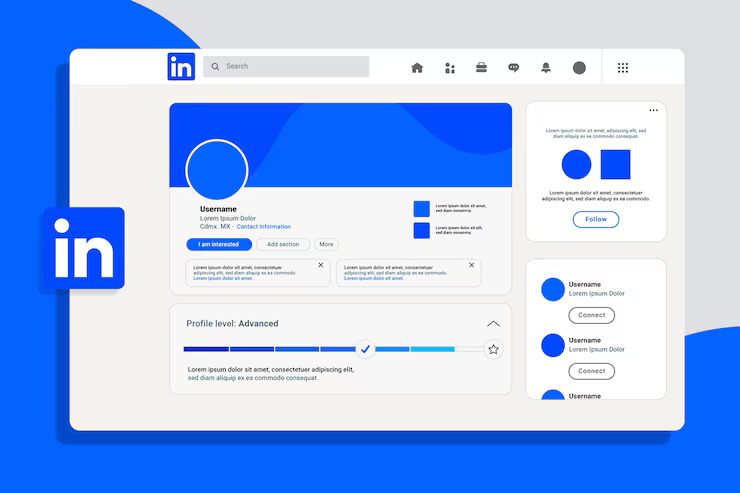
Unoptimized LinkedIn Profiles
Incomplete LinkedIn profiles reduce recruiter visibility. Employers expect clear headlines, updated experience, relevant skills, and professional activity that supports your job search.

Missing Keywords in Resumes
Applicant tracking systems filter resumes using keywords. Candidates who skip relevant tools, technologies, and skills never reach recruiters. Keyword alignment is critical.
Relying Only on Job Portals
Job portals offer limited response rates. Recruiters expect candidates to use LinkedIn outreach, referrals, and direct company applications alongside portals.

No Referrals or Networking
Referrals increase trust and speed up hiring. Candidates who avoid networking miss hidden opportunities. Recruiters prioritize referred profiles during shortlisting.

Poor Interview Preparation
Candidates often attend interviews without researching the company or role. Recruiters expect structured answers, clarity, and understanding of job responsibilities.

Unclear Salary Expectations
Unrealistic salary expectations cause early rejection. Recruiters expect candidates to research market salary ranges and justify expectations based on skills and experience.

No Follow-Up After Interviews
Candidates often fail to follow up after interviews. Recruiters expect professional follow-ups that show interest, seriousness, and good communication skills.